
Composer.
“O’Donoghue proved herself to be an incredibly unique, versatile and ambitious artist and composer. ”
- Annabell Drumm, Sydney Arts Guide
As one of Australia’s most exciting new composers, Jessica has seized the opportunity to carve her own path, creating expansive music and narratives that resonate with emerging modern audiences.
In 2026 Jessica completed a PhD in composition at Sydney Conservatorium of Music under Liza Lim and Paul Stanhope. Her works include chamber opera, Menarche, exploring inter-generational trauma, unveiling and erasing shame commonly passed from mother to daughter in relation to the female body and menstrual cycles, and Running Man, an electro-acoustic chamber opera exploring mental illness. Like her performing work, Jessica’s compositions push the boundaries of genre, and place her firmly within the ranks of iconic new Australian composers.
Jessica deliberately defies the traditional operatic concept of the silent or tormented female muse, instead giving voice to authentic and inspiring stories that frequently feature complex female characters, stories and experiences.
“It’s time for women to have control of the narrative; time for us to hear and witness these epic and inspiring stories and experiences loud and clear.”
Compositions
-
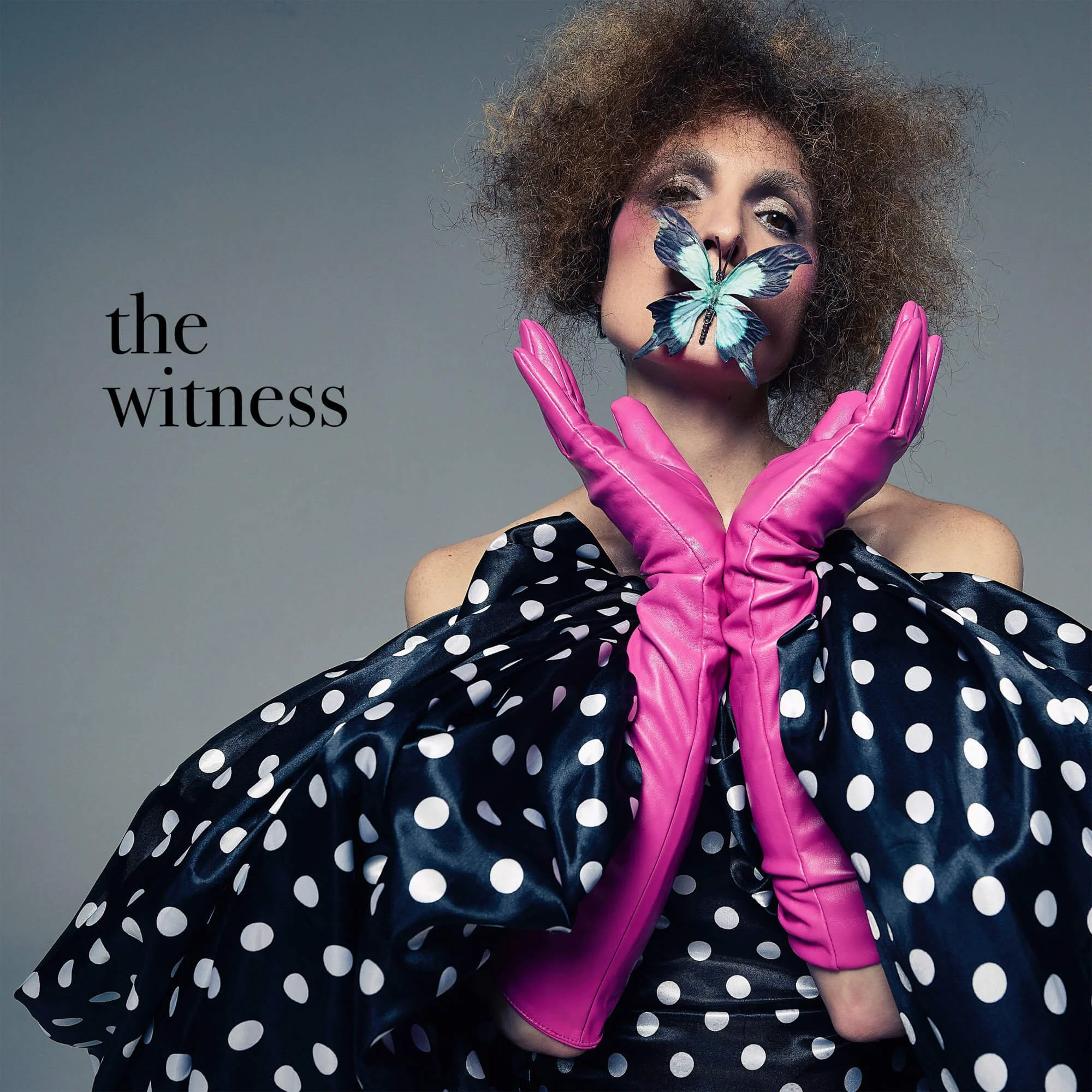
The Witness (Running Man)
-
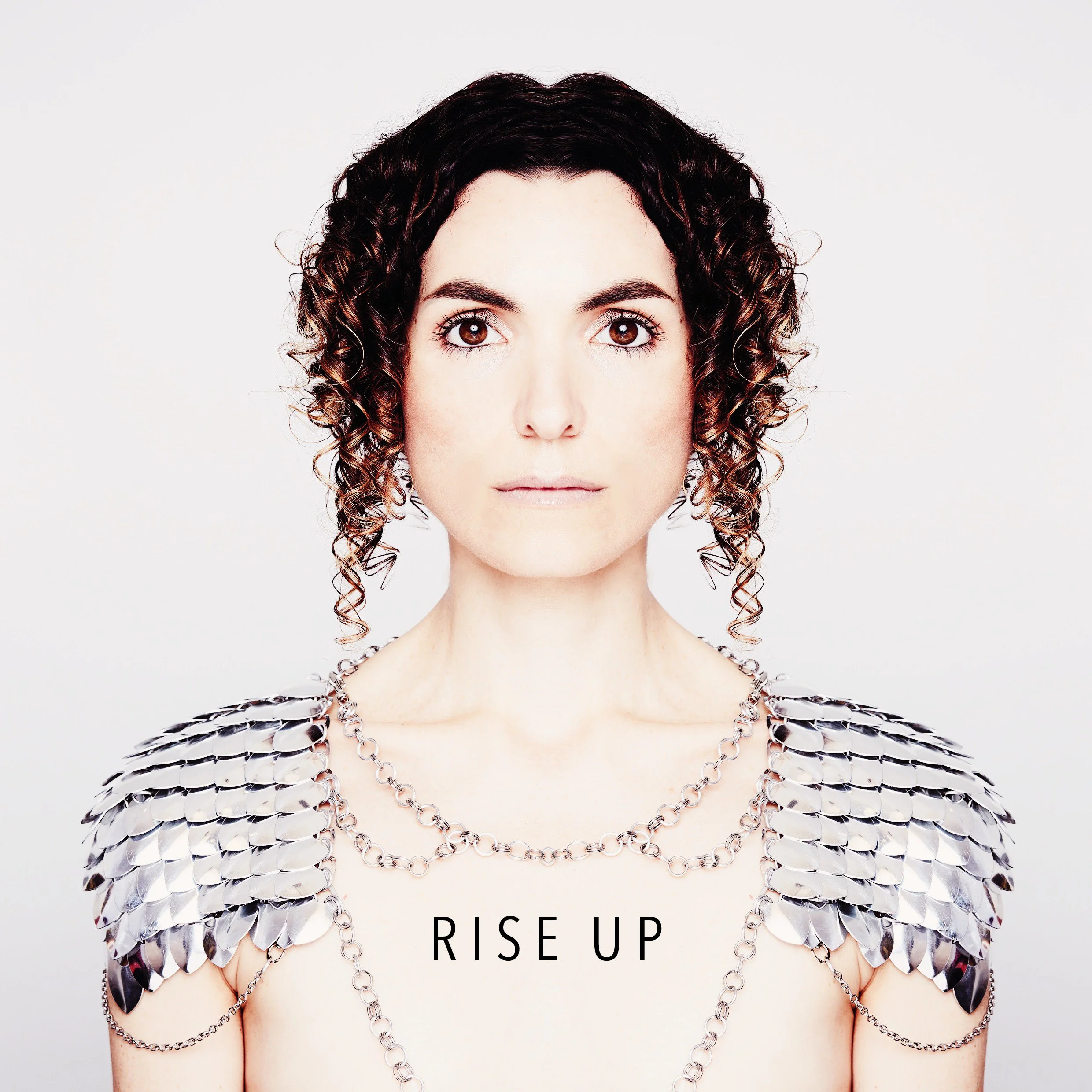
Rise Up Album
-
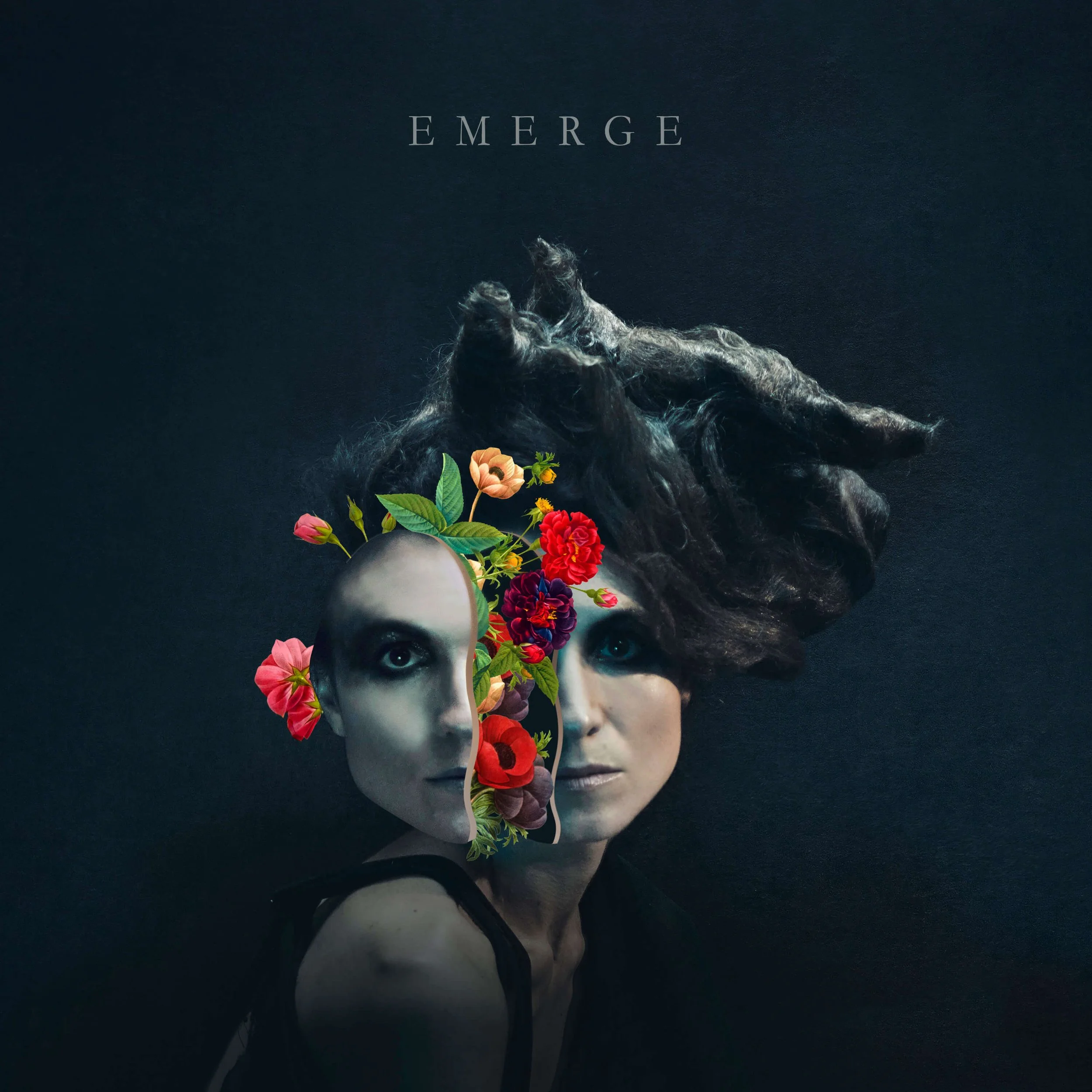
Emerge album
-
A coproduction between NIDA and Sydney Conservatorium of Music
DISMANTLING GENERATIONS OF SHAME
Original Composition by Jessica O’Donoghue
Menarche is an incredibly cathartic and important chamber opera aimed at reclaiming the power and magic of menstruation, a catalyst to remove generational shame, stigma, and traumatic representations throughout generations of misrepresentation.
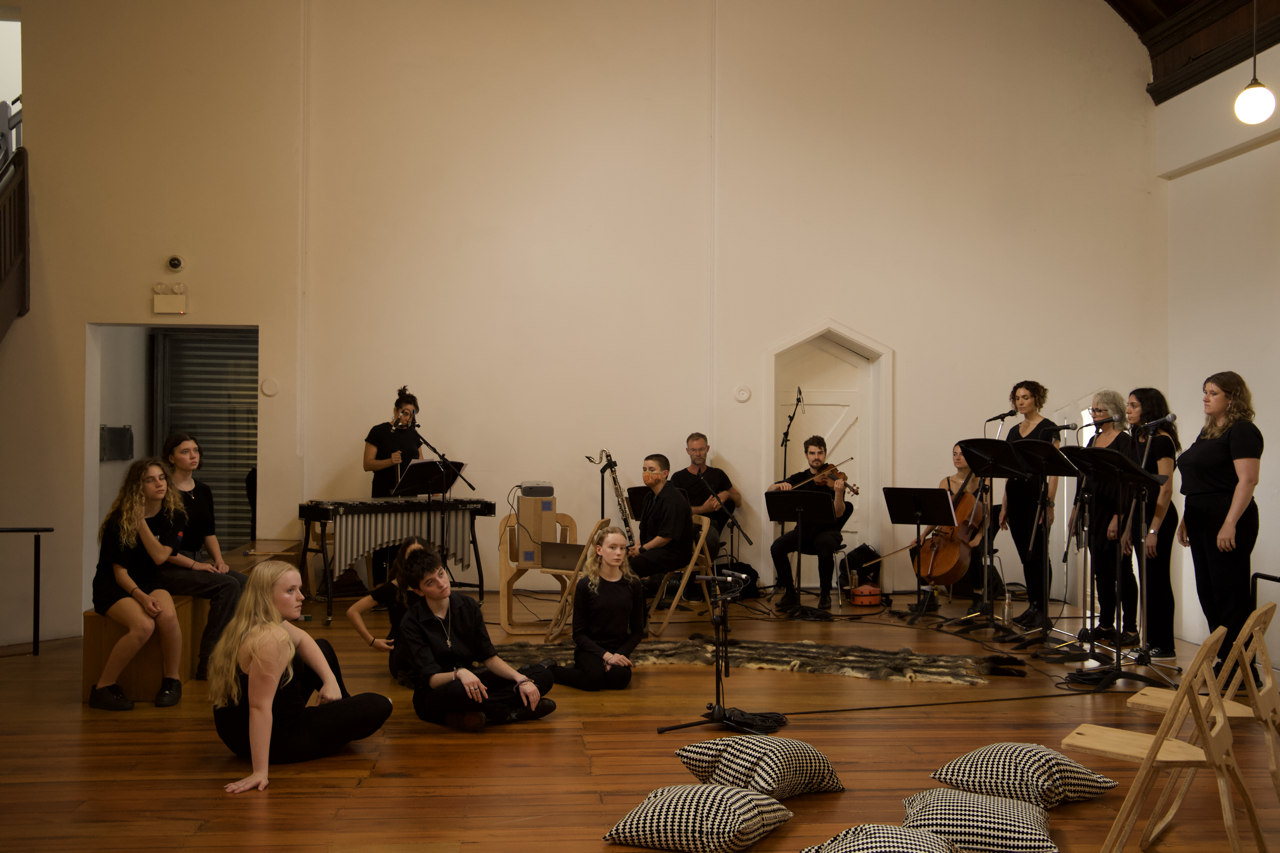
This work was produced as part of Jessica’s PhD in Composition at Sydney Conservatorium of Music and was performed at the Parade Theatre in October 2024, along with three other short chamber operas - all sitting under the title of MOTHER and exploring this idea and experience from very different angles. MOTHER was directed by the legendary Lindy Hume and Menarche was conducted by the fabulous Stephen Mould.
This special collaboration premiered four short new operas created by postgraduate students from NIDA and the Sydney Conservatorium of Music that explore aspects of the mother and motherhood, from personal to political, from quirky to queer. From the bloodlines of womanhood to the birth of a Star Baby, from a snakeskin nightmare to the finale of a reality television competition to find the next pop superstar, these captivating music dramas range across musical idioms and showcase a new generation of musical storytellers.
MUSIC: Jessica O’Donoghue
DIRECTOR: Lindy Hume
LIBRETTO: Rebecca Duke & Karina Young
-
Written for Sydney Philharmonia Choir as part of the Words, Text, Voices, Music Masters in Composition program at the Sydney Conservatorium of Music under supervisors Professor Liza Lim and Associate Professor Paul Stanhope, this version of The Torturing Pattern has been revised for chamber choir to be premiered and recorded by Sydney Conservatorium of Music Chamber Choir under Paul Stanhope.
This work is for live SATB chamber choir (or small vocal ensemble with at least 12 singers), amplified voices, synthesiser and pre-recorded track. This is intended to be a living and flexible score and as such, depending on specific forces and requirements, various voices may be added and taken away to various parts of the score as needed.
Duration 9 minutes
The text for this piece is drawn from Charlotte Perkins Gilman’s short story The Yellow Wallpaper (1892). The story follows a woman experiencing severe mental distress while being confined within a coercively controlling marriage. Under the care of her husband and brother—both physicians—she is prescribed enforced bed rest and domestic idleness as a “cure” for her condition. Her pleas for help are dismissed; her symptoms are minimised as “slight hysterical tendencies.”
As a result, her mental state deteriorates rapidly. She becomes increasingly paranoid, begins to perceive imaginary figures, hears multiple voices, and ultimately loses touch with reality and her own sense of self. I am particularly interested in Gilman’s formally restrained writing style. Written in the late 19th century, the narrative reveals the profound lack of agency afforded to women at the time and the quiet powerlessness they endured within patriarchal structures. Lines such as “John laughs at me, of course, but one expects that in marriage,” and the repeated refrain “what is one to do?” after instances of dismissal and condescension, expose the deeply embedded imbalance between men and women in the story.
In response to this, I have structured the piece using a conventional popular song form (verse, pre-chorus, chorus, bridge, chorus). This familiar framework creates a surface-level sense of safety and predictability, supported by intentionally unassuming melodic and harmonic material performed in a non-dramatic manner. The result is a deliberately kitsch, gentle, and “harmless” sonic world—one that sits in stark and unsettling contrast to the dark psychological narrative beneath it.
The work combines live voices, amplified and processed voice, synthesiser, and a pre-recorded track. The electronic elements and altered vocal layers evoke a realm of distorted perception: disembodied voices, fractured identities, and ambiguous narrative ownership. These “other” voices gradually infiltrate the texture as the unnamed narrator becomes increasingly destabilised by her circumstances. The piece culminates in a dense, chaotic convergence of layers, voices, and disrupted musical frameworks, as the pre-recorded track ultimately overwhelms the live choir.
-
The Republic of Motherhood was commissioned by Luminescence Chamber Singers as part of Lumi and the Machine - a new project bringing together the ensemble with GRAMMY Award-winning artists William Brittelle (producer/ composer) and Cameron Beauchamp (guest director), alongside seven Australian composers and sound designer/ engineer Tilman Robinson.
The works will premiere at the Canberra International Music Festival in 2026 and will also be released as a fully produced album.
For six amplified voices (Soprano, Soprano, Alto, Tenor, Baritone, Bass), Pre-recorded tracks and Synthesiser.
Duration: 9'30
This work is inspired by Liz Berry’s poem The Republic of Motherhood, which speaks to the raw, tender, and often invisible realities of motherhood.
I’m fascinated by the tensions inherent within the motherhood experience - softness and suffering, devotion and exhaustion. This piece explores this idea of tension through sound, focusing particularly on the idea of labour in all its forms: physical, emotional, unending and unseen.
At its core, this is a deep dive into the relentless rhythm of care. As Berry writes so succinctly:
“Feedingcleaninglovingfeeding.”
Pre-recorded spoken word runs through the piece, guiding the listener through the poem’s narrative. The singers respond - sometimes in harmony, sometimes grating - amplifying the dualities of beauty and pain.
Pre-recorded track, vocal effects and digital manipulation expand and elevate the sound world, creating an immersive experience. At times they add shimmer and echo; at others, they distort or overwhelm, mirroring the surreal and consuming nature of caregiving.